

In my previous article, I shared my journey of being diagnosed as autistic and how it reshaped the way I understand work, wellbeing, and collaboration. Now let's talk about what workplaces can actually do to support neurodivergent people, and why these changes benefit everyone.
While autism is increasingly recognised in the workplace, neurodiversity also includes ADHD, dyslexia, and other cognitive differences. This is particularly relevant in tech, where teams are often made up of people who think and process information in very different ways. The encouraging reality? Many adjustments that support neurodivergent colleagues also improve how teams communicate and collaborate more broadly.
Small changes can make a meaningful difference. Let's look at how we can create workplaces that are clearer, more inclusive, and easier for everyone to navigate.

One of the benefits for seeking a formal diagnosis in the UK is the ability to request reasonable adjustments at work. These are changes that help someone perform their role effectively, and many are surprisingly simple. Here are some examples and how I've navigated them:
Ambiguity can be challenging for many neurodivergent people. For autistic individuals, unclear expectations create unnecessary friction. For people with ADHD, verbal explanations or scattered information can be hard to follow. For dyslexic individuals, dense written text without clear structure or visual support can be difficult to digest.
In my own case, I prefer blunt conversations without all the bells and whistles, and my team knows this. They also understand that if I'm deep in a task, I might fire across a bunch of questions on Slack without much preamble. It isn't rudeness, it's how my brain works when I'm focused! Establishing communication norms like this removes guesswork for both sides and makes collaboration much smoother.
Flexible working patterns can be a huge benefit for neurodivergent employees. Office environments often involve constant social interaction, background noise, and interruptions which can lead to sensory overload or make sustained focus more difficult.
Hybrid working offers the best of both worlds: dedicated focus time alongside in-person collaboration. At ASquared, we spend two days a week in the office and the rest working remotely. Having that predictable rhythm makes it easier for me to plan my week, manage energy levels, and still enjoy the social side of being part of a team. I love my colleagues, but I would struggle to maintain the energy to be in-person every day.
Modern offices tend to favour open-plan layouts. While these can encourage collaboration, they also amplify distractions. Every keyboard tap, coffee slurp, or half-overheard conversation becomes part of the background noise.
This is where headphones can make a huge difference. At ASquared, there's no issue when I pop on my headphones to listen to my own music or just wear them for comfort and noise cancellation.
However, not every workplace takes this approach. Some actively discourage headphones in the name of openness, but for many neurodivergent employees they're an essential tool for maintaining focus. The simplest solution? Give people the freedom to control their environment where possible.
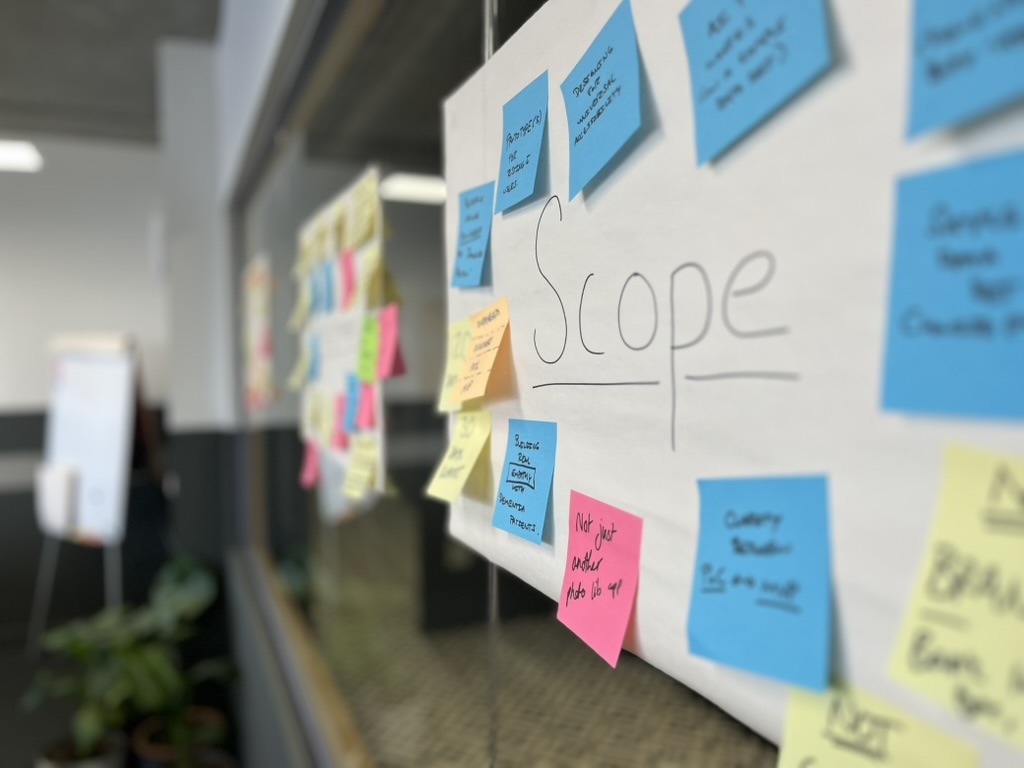
Beyond formal adjustments, there are everyday project practices that support inclusivity. These approaches help neurodivergent colleagues, but they're beneficial to neurotypical people too:
It's all about alignment. Ask someone to repeat what you said in their own words. This confirms everyone has understood the same thing and avoids misinterpretation later. Make this a regular team habit and you'll create clarity without putting anyone on the spot.
Another common source of friction is unclear responsibility (can you spot the theme yet?). Spending time mapping out who owns what prevents unnecessary stress by walking through typical deliverables together and discussing who owns each stage. A useful approach is planning poker style exercises to compare assumptions and quickly see where expectations differ. These conversations may feel small, but they create shared understanding that saves time later.
Early in my career, I worried that asking questions might make me appear inexperienced. But over time I realised the opposite is true. The smartest people in a room are often the ones asking the most questions.
Has someone just dropped a TLA (Three Letter Acronym) that isn't easily Googleable? Is everyone nodding in agreement but you have no idea what it is? Chances are someone else is wondering the same thing but hesitating to say it. At worst, you confirm your understanding. At best, you prevent an entire project from moving forward on different interpretations. A parade is held in your honour, you get the keys to the city, a statue is erected to commemorate the occasion.
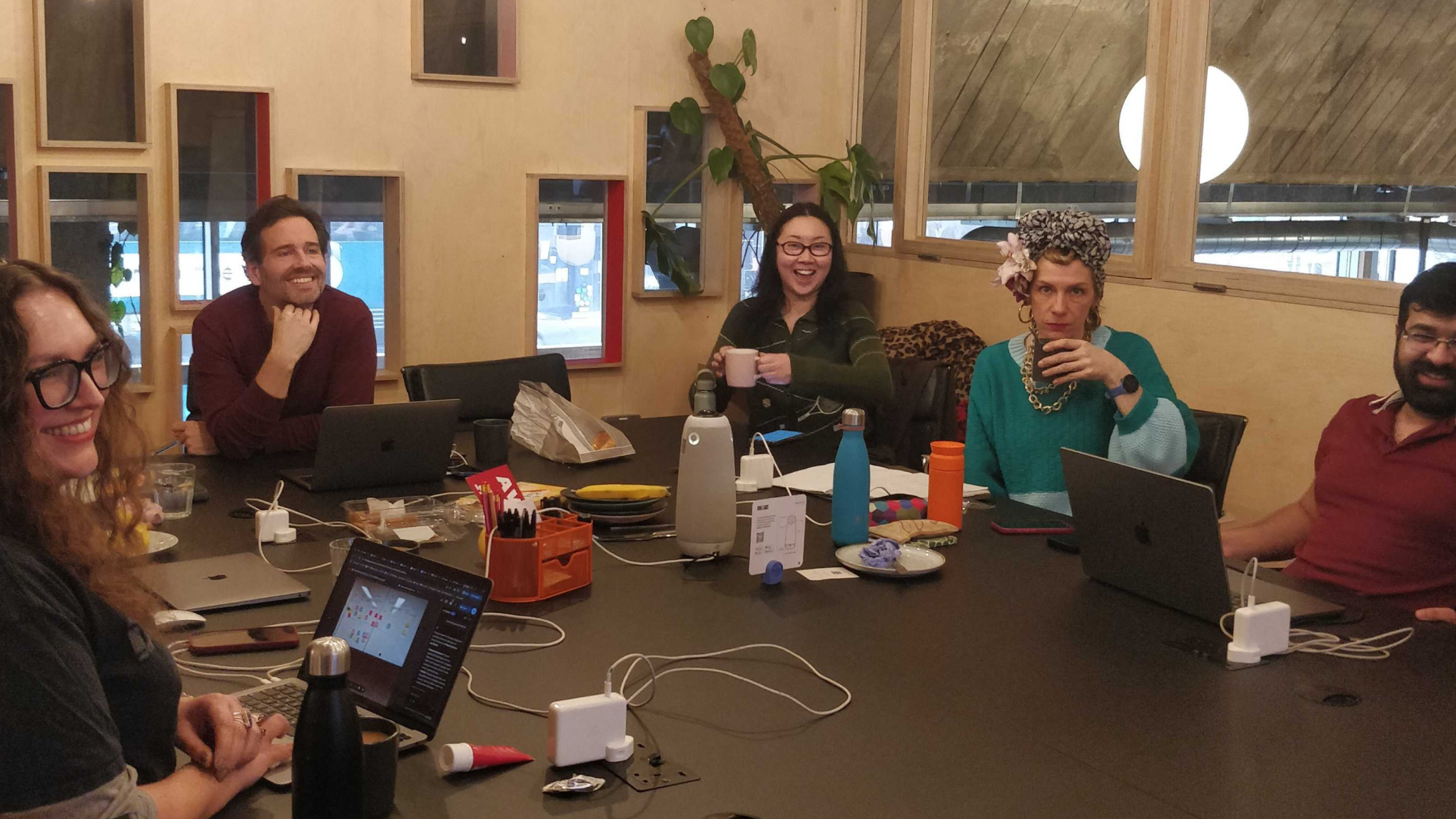
Tech teams rely on collaboration between people with different perspectives and ways of thinking. Neurodiversity is already part of that reality, whether it's formally recognised or not.
What makes a difference isn't a long list of policies, but a culture that allows people to work in ways that help them do their best thinking. Clear communication, thoughtful practices, and flexibility around environment are small adjustments that unlock stronger teamwork and better outcomes.
This isn't an exhaustive list by any means, just what comes to mind first when reflecting on my own experiences. No doubt I'll have a completely different list another day as my needs shift.
—
We’re always looking for more ways to make ASquared a place where everyone feels supported. For more information, check out this advice from the National Autistic Society.

Let's see what we can make together.
From startups to scaleups and enterprise, we're always happy to talk to impact-focussed and ambitious organisations. Use our quote creator to get a better idea of scope, timescales and next steps.


