

You’ve done it. Congratulations! 🎉You’ve built something of value that scratches that pesky itch you’ve always had. And, if you dare say so, it’s a pretty damn good solution. Be it a product, a prototype or an MVP, the early testers have logged in. This is the moment you’ve been waiting for. The start of your perfect startup journey.
But then … crickets. Your first users don’t come back. A few weeks pass, and feature usage is patchy. Analytics trend downwards. As a startup founder with limited runway, this isn’t what you had in mind.
----
What separates startups that take off and those that don’t, often isn’t a better feature set. It’s the path from first visit to best value delivered, aka the moment users click thinking ‘Yep, this is worth it’.
That path is best-shaped by great onboarding.
Working with startups through the Impact Builder, we’re seeing one thing over and over again: onboarding isn’t an optional nice-to-have, not a bolt-on, and not something to just throw on at the end. Great onboarding is a strategic tool.
This article explores why onboarding matters for startups, what good looks like, and how you can embed onboarding into your process from the start.
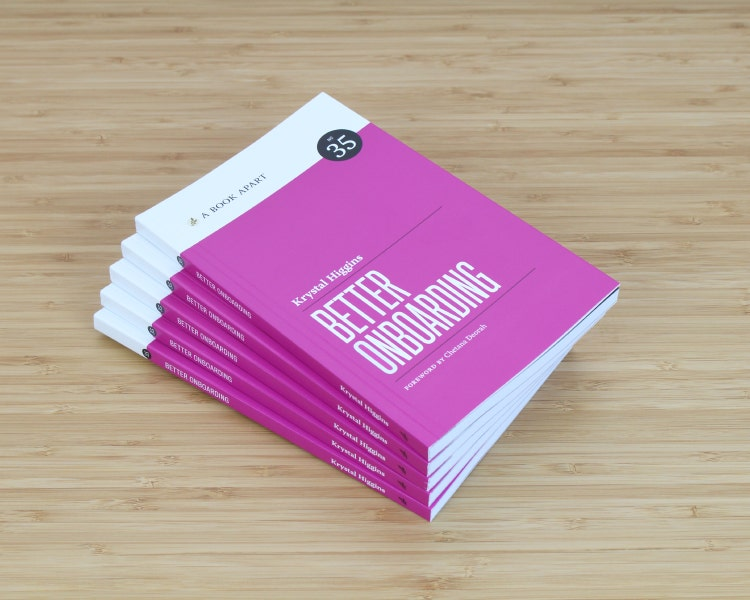
In her excellent book Better Onboarding, Krystal Higgins defines onboarding as a journey:
“From someone starting out in a new product all the way to their core use of it.”
It’s not just the welcome screen or sign-up; it’s the subsequent series of actions, cues, decisions, and interactions that lead a user to best value delivered. In this best scenario, onboarding is part of the holistic journey, not a discreet bit at the start of a user’s journey.
For startups specifically, the case is clear:
If users don’t quickly see what’s in it for them, they’ll jump. Onboarding accelerates time-to-value, builds confidence, and clicks the transition from ‘new user’ to “active user”. Without good onboarding, even great products can flop.
So what does ‘good’ actually mean? Here are key elements, informed by Higgins and recent research:
Higgins emphasises that onboarding is not a ‘one and done’ tooltip-tastic-tutorial, or a big manual you dump on users. Instead, she advocates for guided interaction: embedding help and cues in the context of the user’s actual journey. For example, instead of a long tour, you guide them as they act.
The product you made to scratch an itch should mean your outcomes are clear. But next, you need to define what core use means for your users. What key actions signal that the user has found value? Then map backwards: What must they do to reach this? What entry point(s) do they have? What action steps? What guidance do they need?. Higgins outlines exactly this process.
For example: user signs up → creates first project → invites team → completes first outcome. Each step gets a smart and small prompt or nudge.
The faster a user experiences something tangible, the more likely they’ll stick around. As HelpHero states “Focus on actions that provide immediate value … identify the most impactful first action in your product and guide users toward it.”
In startup land, this means resisting the urge to show everything all at once before letting the user actually do something. Instead, let them do something real, quickly.
Good onboarding is simple, bite-sized and tailored. UserFlow’s article points out that onboarding is key to “increased engagement, improved retention and user satisfaction.”
Personalising onboarding based on user role, goal, experience level etc helps avoid “one size fits all” misfires. Higgins notes this is why front-loaded universal tutorials fail: because you don’t yet know what each user needs in order to help them reach best value delivered, quickly.
But you can’t just build onboarding and forget about it. You need to measure how many users get to core use, how long it takes them, where they drop off, and more. Higgins says: “Measure whether improving onboarding made a difference in how many people are getting to core use, and if it’s decreased the time.”
The key? Use analytics + feedback loops to iterate continuously.
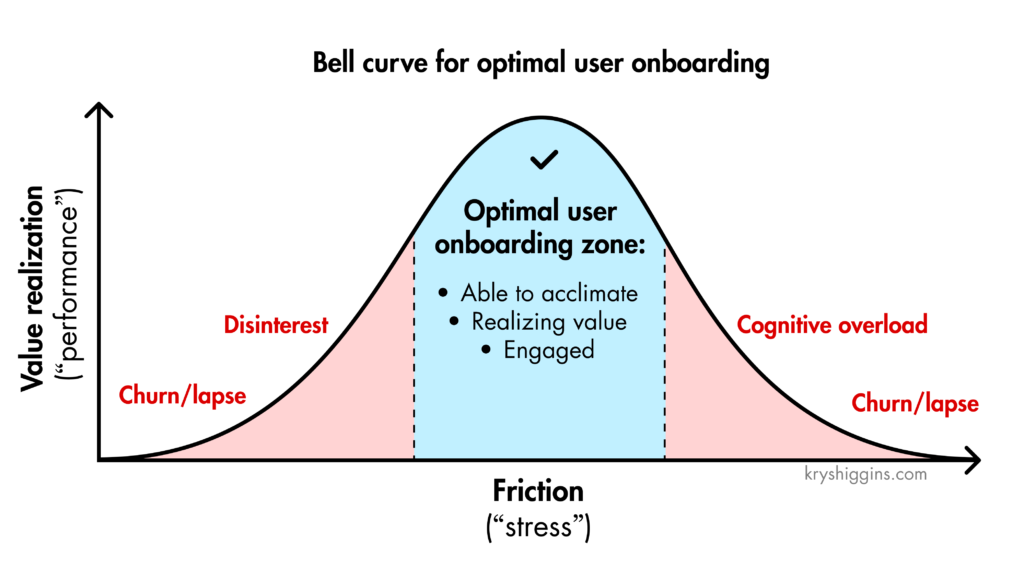
You know what good looks like. You also need to know what to avoid. Here are some common traps:
So, you’re convinced that you need onboarding. But how do you actually embed onboarding into your workflow? Here’s a practical process, aimed at early-stage startups.
For startups, onboarding is not optional. It’s a strategic lever. Getting users from “I just signed up” to “I see why this matters” quickly and smoothly is the difference between scaling and stalling.
By thinking of onboarding as part of your larger product journey and not a step, defining core use early, and embedding guided interaction into your product, you can shift from hope-driven launches to user-value-driven growth.
The Impact Builder helps startups embed this thinking, not as an afterthought but as part of the process. If you’re a founder or startup ready to turn first users into loyal champions, let’s talk.

Let's see what we can make together.
From startups to scaleups and enterprise, we're always happy to talk to impact-focussed and ambitious organisations. Use our quote creator to get a better idea of scope, timescales and next steps.


